
Blogs & News
As we move into the second quarter of 2026, the New Zealand short-term rental (STR) market is undergoing a significant “recalibration.” The days of “set it and forget it” hosting are over. Today, the divide between a hobbyist listing and a professional, data-driven operation is wider than ever. Whether you have a chic apartment in Auckland, a luxury escape in Matakana, or a lakeside retreat in Taupo, Tauranga, or Rotorua, understanding the current numbers is the key to protecting your yield.
The 2026 data shows a “flight to quality.” While overall listing numbers have stabilised, “Best-in-Class” properties (the top 10%) are significantly outperforming the rest of the market.
In 2026, local councils have sharpened their focus. Auckland Council now requires strict declarations for anyone hosting more than 28 nights, and Rotorua’s District Plan Change 6 has introduced new hurdles for larger groups.
At Stayhub, we don’t just view compliance as a “box-ticking” exercise, we view it as a way to future-proof your asset. By meeting Healthy Homes standards and FENZ safety requirements now, our owners are avoiding the heavy fines and “algorithmic de-ranking” that are currently removing sub-par listings from Airbnb and Booking.com.
The biggest takeaway from the early 2026 data? Static pricing is dead. Market leaders are now using AI-driven engines that adjust rates multiple times per day.
In a market where Treasury forecasts modest 2-5% house price growth, the real “wealth effect” for property owners is coming from yield optimisation. By reacting instantly to local events (like a concert in Auckland or an Ironman event in Taupo), Stayhub is delivering a 10–15% revenue lift over traditional management models.
Our Blogs
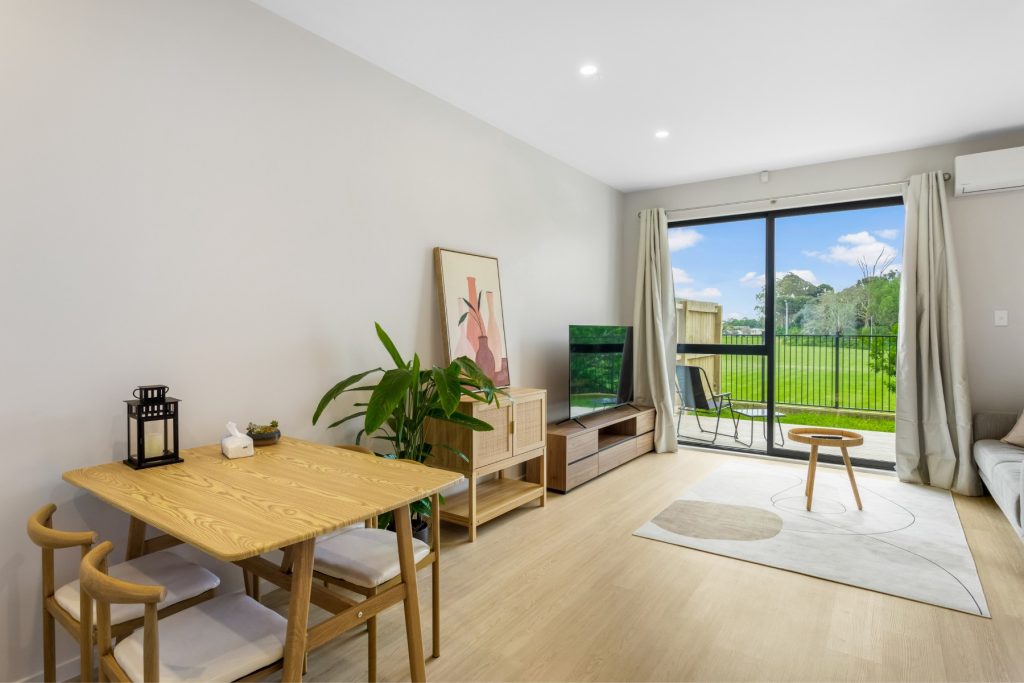
Blogs & News How Stayhub Simplifies the 2026 Landscape Compliance in 2026 isn’t just about tax; it’s about data. As your “Listing Intermediary,” Stayhub handles the heavy lifting. We interface with the platforms to ensure the correct tax status is
Lorem ipsum dolor sit amet, consectetur adipiscing elit, sed do eiusmod tempor incididunt ut labore et dolore magna aliqua. Lorem ipsum dolor sit amet, consectetur adipiscing elit, sed do eiusmod
Lorem ipsum dolor sit amet, consectetur adipiscing elit, sed do eiusmod tempor incididunt ut labore et dolore magna aliqua. Lorem ipsum dolor sit amet, consectetur adipiscing elit, sed do eiusmod
Lorem ipsum dolor sit amet, consectetur adipiscing elit, sed do eiusmod tempor incididunt ut labore et dolore magna aliqua. Lorem ipsum dolor sit amet, consectetur adipiscing elit, sed do eiusmod